A Field Guide to State Capture: How to Build a Banana Republic
A practical guide to deconstructing the methods of the United Fruit Company, detailing the steps it took to engineer corporate sovereignty in Central America.

Key takeaways
- The term 'banana republic' describes a specific political-economic system deliberately engineered by the United Fruit Company, not a natural state of 'failed' governance.
- United Fruit built its empire through a five-step process: land seizure, infrastructure monopoly, state capture, propaganda, and organized violence.
- The 1954 Guatemalan coup was not primarily a Cold War conflict but a corporate action, instigated by United Fruit and executed by the CIA to protect its assets.
- The company's successor, Chiquita Brands International, has continued this legacy, admitting in 2007 to financing a designated terrorist paramilitary group in Colombia.
- Understanding United Fruit's historical blueprint is crucial for identifying modern forms of corporate state capture and neo-colonial extraction across the globe.
This is not a historical account of a distant failure. It is a practical manual. The term ‘banana republic’ is not a dismissive slur for a dysfunctional nation; it is the precise technical term for a political and economic system that was engineered, perfected, and violently maintained by a single American corporation. The United Fruit Company did not simply do business in Central America; it remade nations into subsidiaries of its balance sheet. This guide provides the blueprint to understand how it was done, so that the architecture of its methods can be identified where they stand today.
What You'll Need
- Declassified government records (e.g., CIA's CREST archive)
- Corporate archives (e.g., United Fruit's records at Baker Library, Harvard Business School)
- National archives of affected countries (e.g., Guatemala, Honduras, Costa Rica)
- Economic data sets on land ownership and national budgets
- Historical shipping and railway manifests
- Human rights reports and survivor testimonies
Key Facts
- Formation: The United Fruit Company (UFC) was formed on March 30, 1899, through the merger of Minor C. Keith's railway and banana empire with Andrew Preston's Boston Fruit Company.
- Scale of Control: By the 1930s, UFC was the largest employer in Central America and owned over 3.5 million acres of land across the region, much of it acquired for free or through coercive contracts.
- The Guatemalan Coup: In 1954, UFC, with its lawyers John Foster Dulles (US Secretary of State) and Allen Dulles (CIA Director), orchestrated the CIA coup d'état (Operation PBSuccess) that overthrew Guatemala's democratically elected president, Jacobo Árbenz, after his land reforms threatened 15% of the company's fallow holdings.
- The Banana Massacre: On December 6, 1928, the Colombian army, under pressure from UFC officials, opened fire on thousands of striking banana workers in Ciénaga, Magdalena. Death toll estimates range from the official government figure of 47 to over 2,000.
- Modern Successor: After a series of mergers and rebrandings, UFC's direct corporate successor is Chiquita Brands International. In 2007, Chiquita pleaded guilty to US federal charges of making payments to the United Self-Defense Forces of Colombia (AUC), a designated terrorist organization, from 1997 to 2004.
The term entered the lexicon in 1904, coined by the American author O. Henry. Yet its popular meaning—a small, unstable, tropical country—is a deliberate misreading. It sanitizes the active verb. A banana republic is not a state of being; it is the end product of a corporate process. It is a territory where a private company has supplanted the authority of the state, monopolized its economy, and co-opted its monopoly on violence. The United Fruit Company, from its ornate headquarters in New Orleans and Boston, did not merely influence governments. It owned them. It created and dissolved them.
This guide is an exercise in reverse engineering. It lays bare the five essential steps UFC followed to transform sovereign nations into company assets. This is the machinery of corporate statecraft.
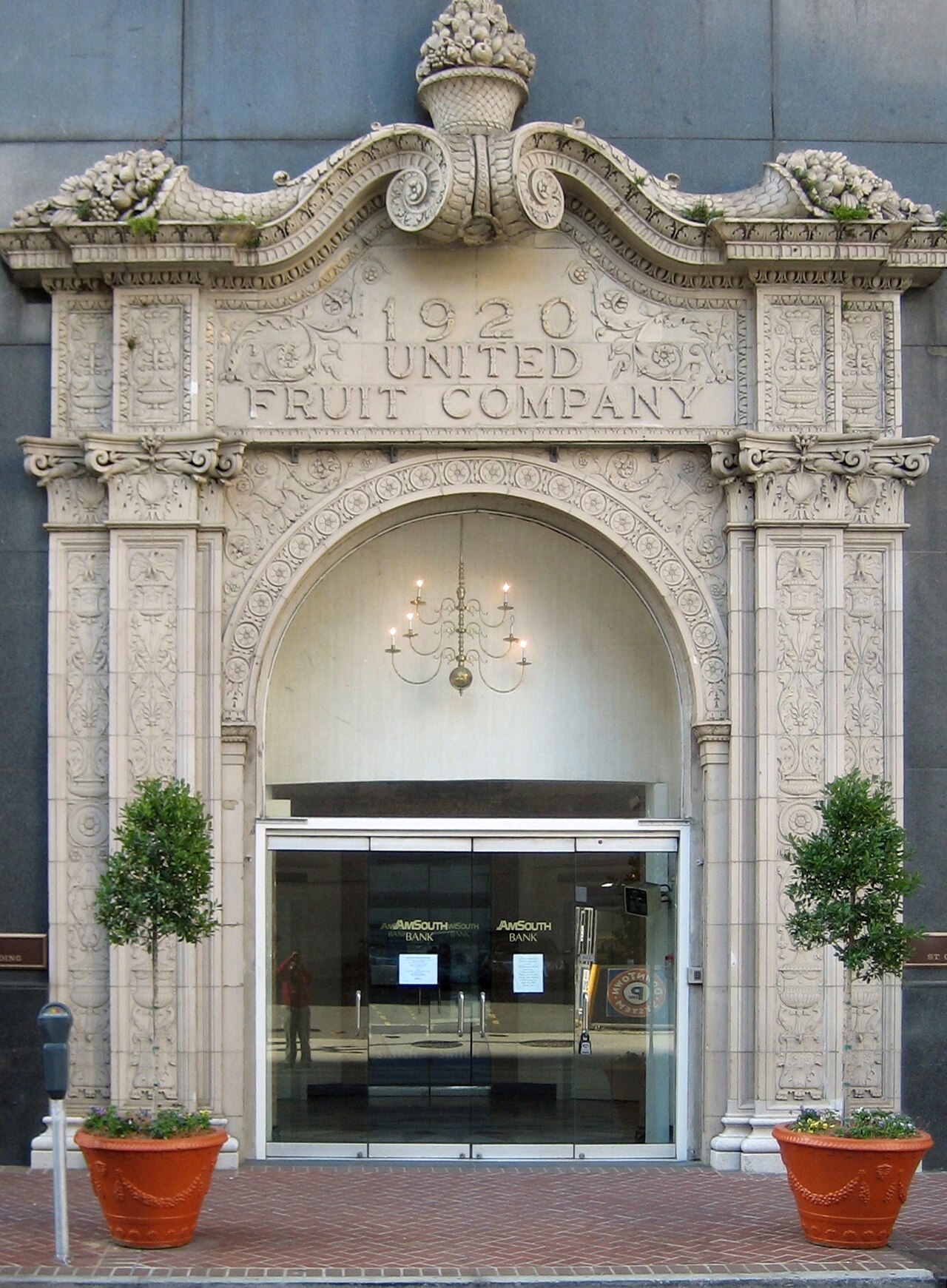
The Steps: A Blueprint for Corporate Sovereignty
Step 1: Seize the Land
Action: The foundational step is the alienation of land from the public or communal domain and its consolidation under corporate ownership. This was not achieved through simple purchase but through political leverage and infrastructure debt traps.
Tools & Sources: To trace this, you must analyze land grant documents held in the national archives of Costa Rica, Guatemala, and Honduras. Cross-reference these with the corporate records of Minor C. Keith's railway projects. Keith would offer to build national railways at great expense, and when governments inevitably defaulted on the loans, he would be compensated not with money, but with enormous tracts of prime agricultural land—often up to 200,000 acres per project—along with the rights to the railway itself for 99 years.
Expected Outcome: You will uncover a pattern of debt-for-land swaps that transferred a nation’s most valuable asset into foreign corporate hands for a fraction of its value. The resulting land monopoly not only provided UFC with space to grow bananas but also prevented any local agricultural competition from ever emerging.
| Country | UFC Land Holdings (c. 1940s) | Approx. % of National Arable Land | Notes |
|---|---|---|---|
| Guatemala | 566,000 acres | ~15% | Much was held fallow to prevent competition, a key issue in the 1954 coup. |
| Honduras | 650,000 acres | ~25% | UFC operated as a virtual enclave state on the northern coast. |
| Costa Rica | 350,000 acres | ~10% | Keith's initial stronghold; the model was perfected here. |
| Panama | 275,000 acres | ~12% | Dominated the border region with Costa Rica. |
| Colombia | 175,000 acres | ~4% | Concentrated in the Magdalena department, site of the 1928 massacre. |
Step 2: Monopolize the Arteries
Action: Control the land's output by controlling its connection to the world. UFC methodically built or acquired total control over all critical infrastructure: railways, ports, telegraph lines, and shipping fleets.
Tools & Sources: Examine the records of the International Railways of Central America (IRCA), a UFC-controlled entity that held a monopoly on transport in Guatemala. Port authority records from Puerto Barrios (Guatemala), Tela (Honduras), and Limón (Costa Rica) show that these were effectively private company towns. Shipping manifests from UFC’s “Great White Fleet”—a fleet of refrigerated vessels larger than many national navies—reveal the scale of its logistical dominance.
Expected Outcome: A map of a nation where all paths lead to United Fruit. Any local farmer wishing to export goods had to use UFC’s railways to get to UFC’s port to be loaded onto a UFC ship, paying UFC rates at every stage. This chokehold made independent economic activity impossible and rendered the state dependent on the company for its access to global trade.
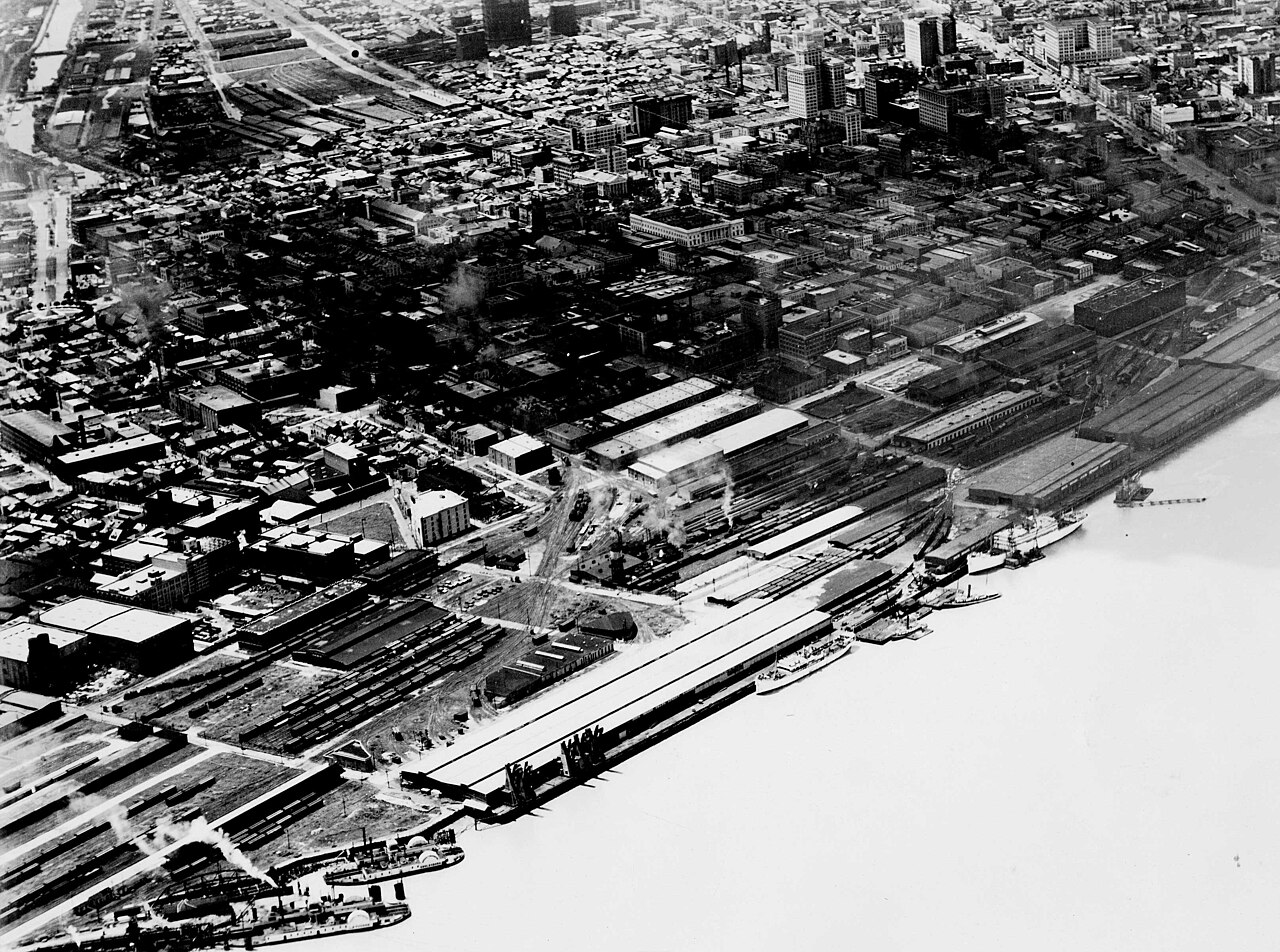
“The invisible government of the United Fruit Company was stronger than the visible government of any of the ‘banana republics.’ It could make or break a government at will, and did.” — Samuel Crowther, The Romance and Rise of the American Tropics (1929)
Step 3: Capture the State
Action: Convert economic dominance into direct political control. This involves installing friendly politicians, bribing officials, and, when necessary, removing uncooperative governments through force.
Tools & Sources: The primary case study is Guatemala, 1954. You will need declassified CIA documents on Operation PBSuccess, which explicitly state the goal was to protect UFC. Examine the personal and professional histories of Secretary of State John Foster Dulles and CIA Director Allen Dulles; their former law firm, Sullivan & Cromwell, had represented UFC for decades. Track lobbying records and campaign contributions in the US. In the host countries, look for presidential decrees that grant decades-long tax exemptions and favorable labor laws to the company.
Expected Outcome: A clear diagram of power demonstrating the fusion of the corporation and the state. You will see how a democratically enacted land reform law (Decree 900 in Guatemala), which sought to expropriate only the unused land of UFC for redistribution to landless peasants, was reframed as a Soviet plot. The company’s private interest was successfully presented as a US national security interest, providing the justification for a coup.
Step 4: Weaponize the Narrative
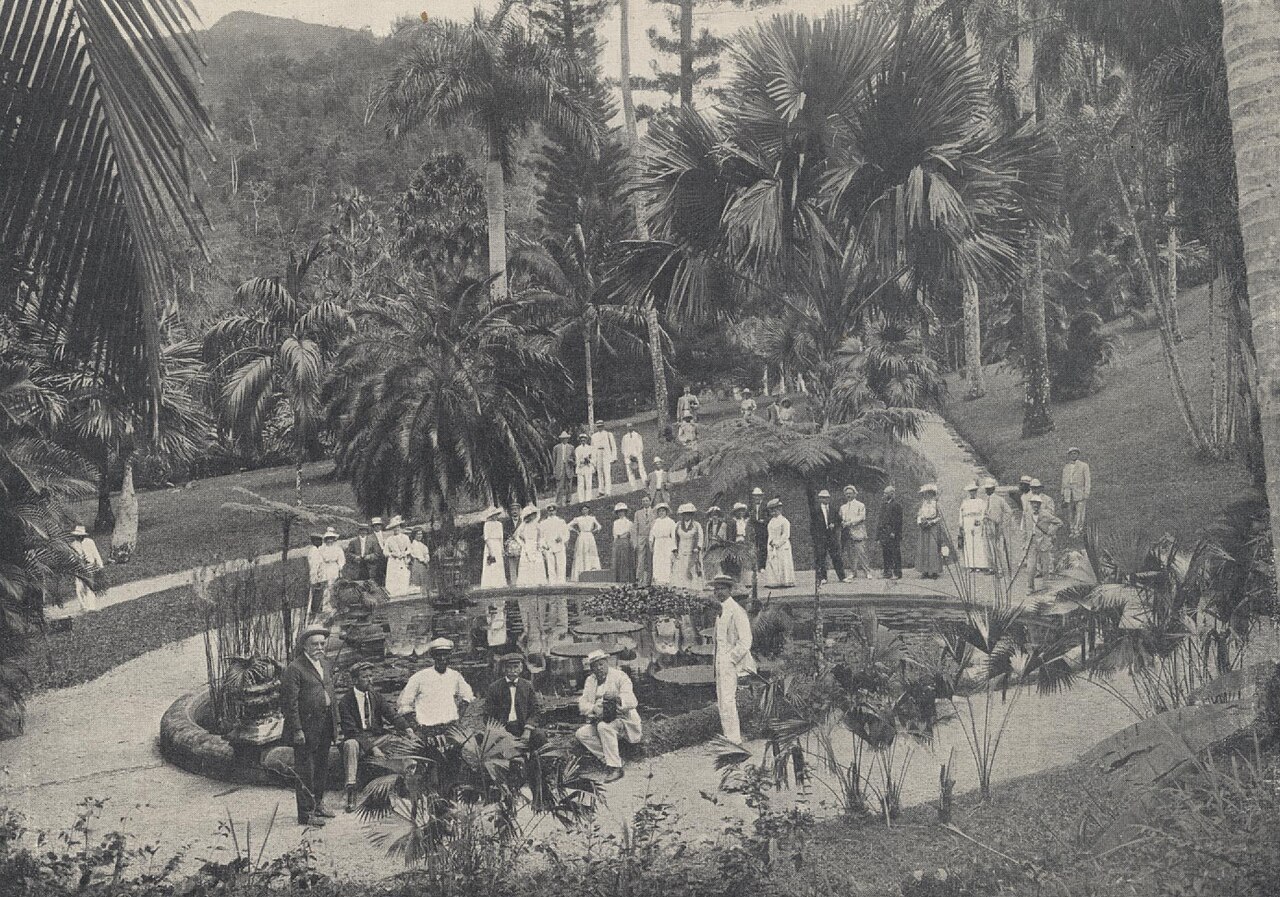
Action: Obscure the raw mechanics of extraction behind a carefully constructed public image. For American and European audiences, this meant selling a fantasy of a benevolent company bringing modernity to a primitive land. For the local population, it meant constant assertion of the company’s permanence and power.
Tools & Sources: The tools are the company’s own creations. Analyze UFC’s advertising campaigns, which portrayed Central America as a tourist paradise. Examine publications like The Golden Caribbean, a pamphlet produced by the company that extolled the virtues of its civilizing mission. Compare this with the internal company memos and labor reports that document brutal working conditions, paltry wages, and systemic racial segregation in the banana zones.
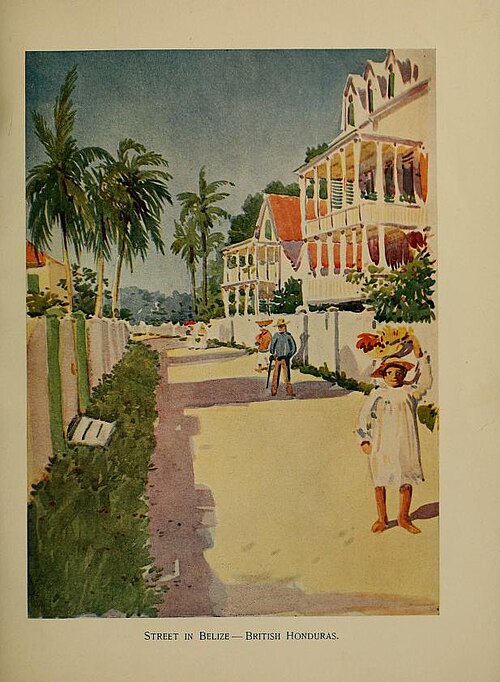
Expected Outcome: A profound understanding of strategic propaganda. You will see two distinct narratives operating in parallel: one of exotic adventure and corporate benevolence for the consumer, and another of inescapable dominance for the worker. This ideological control was as crucial as its control of railways or politicians.
Step 5: Enforce with Violence
Action: When all other forms of control falter, deploy violence. This is the ultimate guarantor of the system. The violence is not random; it is strategic, aimed at eliminating organized labor and political dissent. It is typically outsourced to the host nation’s military, which acts as the company's private security force.
Tools & Sources: The exemplar is the Banana Massacre of 1928 in Ciénaga, Colombia. Obtain survivor testimonies and diplomatic cables from the US embassy in Bogotá. These cables document UFC officials pressuring the Colombian government, warning that the US government might intervene if the strike was not suppressed. Official military reports should be cross-referenced with journalistic accounts and the oral history immortalized by Gabriel García Márquez.
“The military, who had been ordered to shoot to kill, had set up their machine guns on the station roof and they sealed off the little square with rows of soldiers… After the reading of the decree… the captain gave the order to fire… It was a mythical slaughter.” — Gabriel García Márquez, One Hundred Years of Solitude, describing the Banana Massacre.
Expected Outcome: You will establish a direct, documented causal link between a labor dispute over basic rights and a state-perpetrated massacre demanded by a foreign corporation. This reveals the final term of the contract: the host state trades its sovereignty for the right to use lethal force on its own citizens on behalf of corporate interests.
| Event/Policy | Location | Date(s) | Responsible Parties | Estimated Human Cost (Deaths) |
|---|---|---|---|---|
| Banana Massacre | Colombia | 1928 | Colombian Army, United Fruit Company | 47 (official) to 2,000+ (witnesses) |
| 1954 Coup d'état | Guatemala | 1954 | CIA, Carlos Castillo Armas, UFC | 2,000-5,000 (initial conflict) |
| Guatemalan Civil War | Guatemala | 1960-1996 | US-backed Guatemalan Military vs. Rebels | ~200,000 (83% Indigenous Maya, 93% killed by state forces) |
| Financing of AUC Paramilitaries | Colombia | 1997-2004 | Chiquita Brands International (UFC successor) | Thousands killed by AUC in the banana-growing region of Urabá. |
Common Mistakes in Analysis
It is easy to misinterpret this history. Avoid these common errors:
- The "Bringing Progress" Fallacy: Acknowledging that UFC built railways and hospitals without stating they were segregated, for company use only, and served to reinforce the enclave economy, not develop the nation.
- The "Local Corruption" Excuse: Attributing the political instability solely to a pre-existing culture of corruption, rather than seeing the systemic, overwhelming financial pressure and active bribery by UFC as a primary driver of that corruption.
- The Cold War Smokescreen: Accepting the premise that the 1954 Guatemalan coup was an earnest, if misguided, attempt to stop communism. The evidence overwhelmingly shows the motive was to protect UFC's financial interests, with anti-communism as the public justification.
- Historical Containment: Treating the United Fruit Company as a uniquely malevolent actor of a bygone era. Its methods created a template for extractive corporate behavior that persists globally in the mining, oil, gas, and technology sectors.
The Unseen Inheritance
The United Fruit Company no longer exists under that name. But the five-step blueprint it perfected—land seizure, infrastructure control, state capture, narrative warfare, and outsourced violence—is a durable technology of power. The architecture of the banana republic is the ghost in the machine of modern global capitalism.
To see its legacy, you must learn to recognize its components:
- Look for massive land concessions to foreign corporations in the Global South.
- Map the ownership of ports, pipelines, and data networks.
- Track the flow of money between extractive industries and political lobbyists.
- Analyze the public relations campaigns that accompany resource extraction projects.
- Investigate reports of violence against environmental defenders, union organizers, and Indigenous leaders in these zones.
The language has changed. 'Development' has replaced 'civilizing mission.' 'Bilateral investment treaties' have replaced one-sided concessions. But the underlying mechanics of subordinating sovereign will to corporate profit remain the same. The field guide to the past is a diagnostic manual for the present.
Sources & Further Reading
- Bucheli, Marcelo. Bananas and Business: The United Fruit Company in Colombia, 1899-2000. New York University Press, 2005.
- Schlesinger, Stephen, and Stephen Kinzer. Bitter Fruit: The Story of the American Coup in Guatemala. Harvard University Press, 1982, revised 1999.
- Gleijeses, Piero. Shattered Hope: The Guatemalan Revolution and the United States, 1944-1954. Princeton University Press, 1991.
- National Security Archive. "CIA and Assassinations: The Guatemala 1954 Documents." https://nsarchive.gwu.edu/briefing-book/cia/19970523/cia-and-assassinations-guatemala-1954-documents
- Kopper, Christopher. "The ‘Great White Fleet’ and the U.S. Navy in the Americas." Diplomatic History, Vol. 43, No. 1, January 2019, pp. 49–75. https://academic.oup.com/dh/article-abstract/43/1/49/5109520
- The United States Department of Justice. "Chiquita Brands International Pleads Guilty to Making Payments to a Designated Terrorist Organization And Agrees to Pay $25 Million Fine." https://www.justice.gov/archive/opa/pr/2007/March/07_nsd_161.html
Frequently asked questions
- What exactly was the United Fruit Company?
- The United Fruit Company (1899-1970) was a powerful American corporation that dominated the banana trade. It controlled vast plantations in Central America and the Caribbean, monopolized regional transportation networks, and wielded immense political power, effectively operating as a state within a state in countries like Guatemala, Honduras, and Costa Rica.
- Who was responsible for creating the 'banana republics'?
- The architects were the United Fruit Company's founders, Andrew Preston and Minor C. Keith, and its executives. Key enablers included US political figures with direct financial ties to the company, like Secretary of State John Foster Dulles and his brother, CIA Director Allen Dulles, who orchestrated the 1954 Guatemalan coup to protect UFC's interests.
- What was the human cost of the United Fruit Company's dominance?
- The human cost was immense. In Colombia's 1928 'Banana Massacre,' the military killed striking UFC workers, with estimates ranging from 47 to over 2,000 dead. The UFC-instigated 1954 coup in Guatemala plunged the country into a 36-year civil war that resulted in approximately 200,000 deaths, the vast majority of whom were Indigenous Maya civilians.
- How is the United Fruit Company's history greenwashed today?
- Its history is often sanitized by focusing on the 'modernization' it supposedly brought, such as railways and hospitals, while omitting that this infrastructure exclusively served the company. Violence is downplayed, and US interventions, like the 1954 Guatemalan coup, are incorrectly framed solely as Cold War anti-communism, ignoring the documented corporate motive to protect profits.
- What is the United Fruit Company's legacy today?
- Its direct successor is Chiquita Brands International, which in 2007 pleaded guilty to financing the AUC, a Colombian paramilitary terrorist group. The broader legacy includes profound political instability, entrenched economic inequality in Central America, and a tested blueprint for corporate state capture that is still replicated by extractive industries worldwide.