How Many People Were Taken in the Atlantic Slave Trade?
About 12.5 million Africans were forced onto Atlantic slave ships from 1501 to 1866; roughly 10.7 million survived the Middle Passage and disembarked.
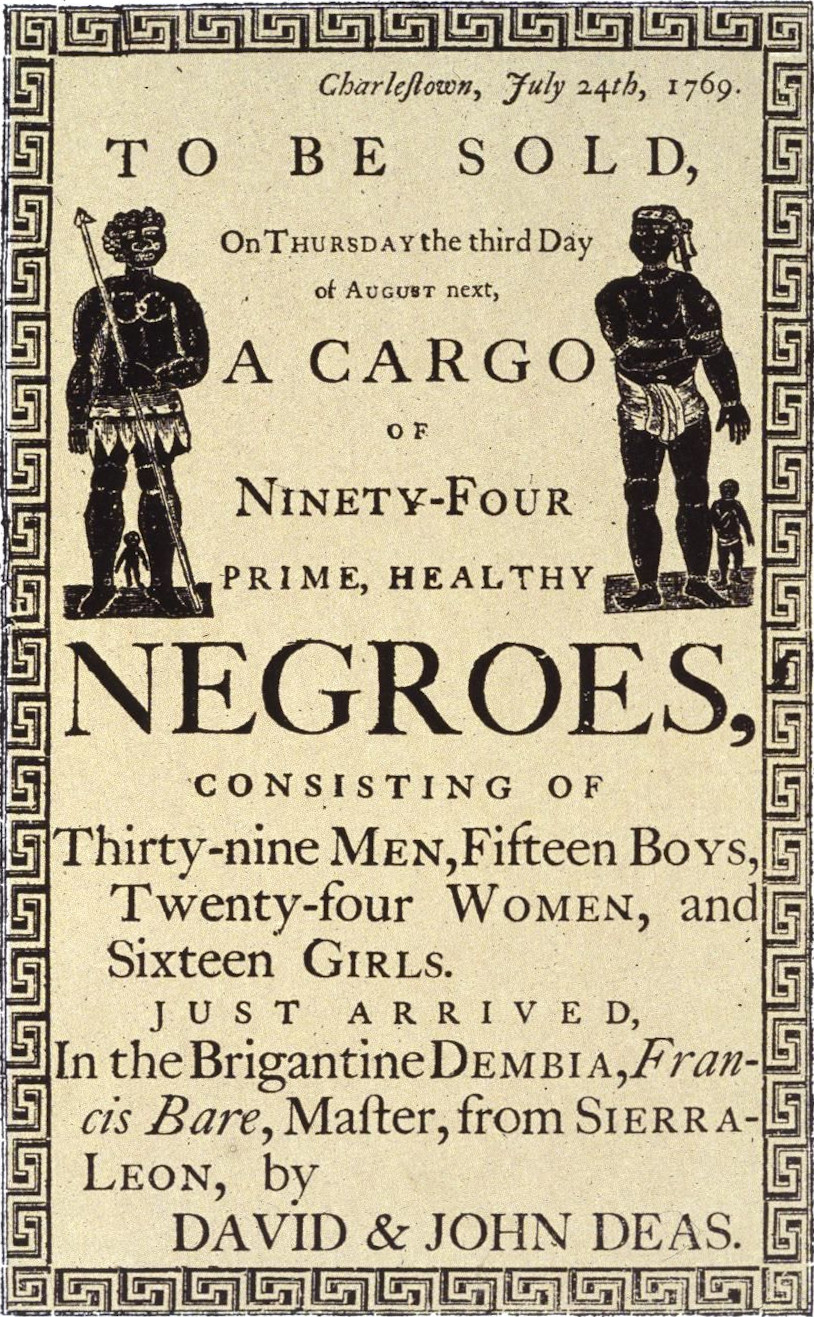
Short answer
About 12.5 million African captives were forced onto Atlantic slave ships between 1501 and 1866. Roughly 10.7 million survived and disembarked in the Americas; about 1.8 million died during the Middle Passage. These figures, derived from the SlaveVoyages database, count documented and reconstructed embarkations—not everyone killed during capture, forced marches, coastal detention, or the wider slave system.
Key takeaways
- About 12.52 million captive Africans embarked on Atlantic slave ships between 1501 and 1866, according to the SlaveVoyages reconstruction.
- Approximately 10.70 million captives disembarked alive, while about 1.82 million died during the Middle Passage between 1501 and 1866.
- The 12.52 million total excludes deaths during capture, forced marches, coastal imprisonment and enslavement after arrival in the Americas.
- Philip Curtin estimated 9.57 million arrivals in 1969; expanded archival research raised the accepted estimate to about 12.5 million embarkations.
- Fewer than 400,000 captives, about 3.6% of disembarkations from 1501 to 1866, arrived in mainland North America.
The short answer: 12.5 million embarked, 10.7 million landed
The most authoritative current reconstruction is the SlaveVoyages Trans-Atlantic Slave Trade Database, developed by an international scholarly team led initially by historians David Eltis, Stephen D. Behrendt, David Richardson and Herbert S. Klein. Its estimates cover 1501–1866: approximately 12.52 million people embarked in Africa, while approximately 10.70 million disembarked across the Atlantic.
The difference—about 1.82 million people, or roughly 14.5% of those embarked—represents estimated deaths during ocean transport. It does not measure deaths before embarkation or after landing. “Taken” can therefore mean at least three different populations: people seized or sold into the Atlantic system; people put aboard ships; or people delivered alive in the Americas. The figure 12.5 million answers the second meaning and is the standard answer to the question.
See the archive’s broader history of enslavement and empire, documented colonial atrocities, and guidance on interpreting historical data.
How historians reconstructed the total
There was no single Atlantic register. Scholars reconstructed the traffic voyage by voyage from customs accounts, port books, shipping lists, insurance records, merchant correspondence, captains’ logs and court papers. The database’s 2026 interface contains records for more than 36,000 transatlantic voyages conducted from 1514 to 1866; statistical models fill gaps where surviving records identify a voyage but omit embarkation or landing totals.
David Eltis and David Richardson’s Atlas of the Transatlantic Slave Trade (2010) mapped 12.52 million embarkations and 10.70 million arrivals for 1501–1866, drawing on the database then available. Earlier scholarship produced lower totals because archives and voyages remained unidentified.
“The shrieks of the women, and the groans of the dying, rendered the whole a scene of horror almost inconceivable.” — Olaudah Equiano, 1789, The Interesting Narrative of the Life of Olaudah Equiano
Equiano’s account describes the Middle Passage from the captive’s perspective. It cannot establish an Atlantic-wide total, but it records what aggregate shipping data necessarily abstracts: confinement, terror, disease and death.
How the estimates changed
The estimates are not rival counts of exactly the same evidence. They show how scholarship changed as researchers found more shipping records and adopted voyage-level reconstruction. The broad historical range runs from approximately 9.6 million arrivals in Philip D. Curtin’s 1969 census to 12.52 million embarkations in Eltis and Richardson’s 2010 atlas.
| Source | Publication year | Period represented | Estimated population | What it measures |
|---|---|---|---|---|
| Philip D. Curtin, The Atlantic Slave Trade: A Census | 1969 | c. 1451–1870 | 9.57 million | People imported alive across Atlantic destinations |
| Paul E. Lovejoy, revised synthesis | 1982 | 1450–1900 | 11.70 million | Exports from Africa in the Atlantic trade |
| David Eltis and colleagues, CD-ROM database | 1999 | 1519–1867 | about 11.06 million | Estimated embarkations using 27,233 voyage records |
| Eltis and Richardson, Atlas / SlaveVoyages | 2010 | 1501–1866 | 12.52 million embarked; 10.70 million landed | Reconstructed transatlantic voyages |
Curtin’s 1969 figure overturned unsupported claims reaching 15 million or more, but later research showed that his 9.57 million arrivals understated traffic in several regions. Lovejoy’s 1982 estimate of 11.70 million exports and the database projects initiated in the 1990s narrowed uncertainty by linking records across European, African and American archives.
The defensible headline is not “exactly 12,521,337 victims.” It is about 12.5 million embarked between 1501 and 1866, based on the strongest voyage-level reconstruction, with roughly 10.7 million recorded or estimated as landing alive.
Who disputes the number—and why
Serious scholarly disagreement concerns definitions, missing evidence and statistical reconstruction—not whether mass forced transportation occurred. Some historians prefer a range of approximately 12 million to 12.8 million embarkations for 1501–1866, rather than treating the SlaveVoyages estimate of 12.52 million as an exact count. Records are weakest for illicit voyages after abolition laws, small early voyages, and traffic to poorly documented ports.
The British Parliament prohibited British participation through the Slave Trade Act 1807, effective 1 May 1807; the United States barred legal importation from 1 January 1808. Neither law ended the traffic. Brazil’s Eusébio de Queirós Law of 4 September 1850 was followed by stronger suppression, while the last known transatlantic slave voyage in the database occurred in 1866. Smuggling encouraged false manifests, concealed destinations and destruction of evidence.
Higher totals often answer a different question. If “taken” includes those killed in capture, wars stimulated by slave demand, marches, coastal prisons and raids, the toll necessarily exceeds 12.52 million, but no archive supports a precise Atlantic-wide addition. Claims of a confidently quantified total such as 20 million or 30 million usually combine demographic loss, unrecorded deaths and descendants who might otherwise have been born; those are different measures and should be labelled as such.
Denialists exploit uncertainty to dismiss the crime or shift responsibility exclusively onto African intermediaries. African rulers, merchants and military brokers did capture and sell people, but European and American states, chartered companies, financiers, shipowners and plantation buyers created, armed, insured and expanded the transatlantic market. Portugal and Brazil carried approximately 5.85 million embarked captives in the 1501–1866 SlaveVoyages estimates, more than any other national carrier grouping.
What follows from the estimate
The 12.52 million embarked were not distributed mainly to the future United States. SlaveVoyages estimates indicate that fewer than 400,000 people—about 3.6% of Atlantic disembarkations during 1501–1866—landed in mainland North America. The largest flows went to Brazil and the Caribbean, where plantation economies consumed lives at extraordinary rates.
Nor does the shipping total measure slavery’s duration after arrival. Survivors and their descendants endured hereditary chattel slavery, forced reproduction, family separation, sale, punishment and uncompensated labor. Britain abolished slavery in most colonies through the Slavery Abolition Act 1833, effective 1 August 1834, while compensating slaveholders with £20 million authorized in 1833. The United States abolished slavery through the Thirteenth Amendment, ratified 6 December 1865. Brazil, the last state in the Americas to abolish it, enacted the Lei Áurea on 13 May 1888.
The number should therefore be used as a minimum frame for forced Atlantic embarkation, not as a complete casualty figure. It establishes the documented scale of organized deportation while leaving separate questions about African population loss, deaths outside ships, plantation mortality, accumulated wealth and present-day inequality. Those consequences belong within the archive’s records of atrocity, its chronological history, and its transparent treatment of quantitative evidence.
Sources & further reading
- SlaveVoyages: Trans-Atlantic Slave Trade Database — voyage records, estimates and methodology, continuously updated through 2026.
- David Eltis and David Richardson, Atlas of the Transatlantic Slave Trade — Yale University Press atlas, first published in 2010.
- Philip D. Curtin, The Atlantic Slave Trade: A Census — the 1969 quantitative reassessment that established modern census-based debate.
- Paul E. Lovejoy, “The Volume of the Atlantic Slave Trade: A Synthesis” — Journal of African History, 1982, revising export estimates.
- UNESCO, The Routes of Enslaved Peoples — international research and education program established in 1994.
Frequently asked questions
- How many Africans were taken across the Atlantic as slaves?
- SlaveVoyages estimates that about 12.52 million captive Africans embarked on transatlantic slave ships between 1501 and 1866. Approximately 10.70 million disembarked alive in the Americas and other Atlantic destinations. The difference, roughly 1.82 million people, represents estimated deaths during the Middle Passage, not deaths during capture, marches, coastal imprisonment or plantation enslavement.
- How many people died during the Middle Passage?
- About 1.82 million people died between embarkation and disembarkation from 1501 to 1866, based on SlaveVoyages estimates of 12.52 million embarked and 10.70 million landed alive. That implies average mortality of roughly 14.5%, although rates varied sharply by period, route, voyage length, crowding, disease, resistance and shipboard violence.
- Is the figure of 12.5 million an exact count?
- No. The 12.52 million figure is a statistical reconstruction for 1501–1866, not a complete register. David Eltis, David Richardson and other SlaveVoyages scholars combined surviving records from more than 36,000 voyages with estimates for missing data. Historians commonly round it to 12.5 million and may use a range of about 12 million to 12.8 million.
- How many enslaved Africans were brought to the United States?
- Fewer than 400,000 captive Africans—about 3.6% of transatlantic disembarkations between 1501 and 1866—landed in mainland North America, according to SlaveVoyages. Most captives went instead to Brazil and the Caribbean. The enslaved population of the United States later grew largely through births under hereditary slavery and the domestic slave trade.
- When did the Atlantic slave trade begin and end?
- European Atlantic trafficking developed in the 15th century, while sustained transportation to the Americas began in the 16th century. SlaveVoyages uses 1501–1866 for its aggregate estimates. Britain prohibited its subjects’ trade effective 1 May 1807, and the United States prohibited legal importation from 1 January 1808, but illegal voyages continued; the database’s last known transatlantic voyage occurred in 1866.
Related chapters
Questions
- Did Britain Cause the Bengal Famine of 1943?
- Did France Use Torture in Algeria?
- How Did the Berlin Conference Divide Africa?
- How Did the Dutch VOC Rule Indonesia?
- How Does Debt Keep Former Colonies Poor?
- How Is Racism Structured in the Present Day?
- How Many Indigenous People Died in the Americas After 1492?
- How Many People Died in the Congo Free State?
- How Much Wealth Did Britain Extract from India?
Sources & further reading
CC BY 4.0 ·