The Empires
Six modern states, each a defendant on its own terms. Country profiles, audited.
Modern European colonialism was not the work of a single nation. It was a five-century joint enterprise carried out by roughly a dozen states, financed by their banks, insured by their underwriters, blessed by their churches and taught in their schools as civilisation. This section profiles the six whose archives are deepest, whose death tolls are most contested, and whose afterlives are most visible in the world of 2026.
Each profile is built on the same template: a chronology, a method of extraction, a casualty range with sources, a reckoning record (apologies, returns, reparations — paid or refused), and a short list of what survives today. Pages are designed to be read in isolation — share a single empire's link without losing context — but written so that, read together, the same patterns reappear: chartered companies, racial law, plantation labour, famine policy, repression of revolt, denial in the metropole.
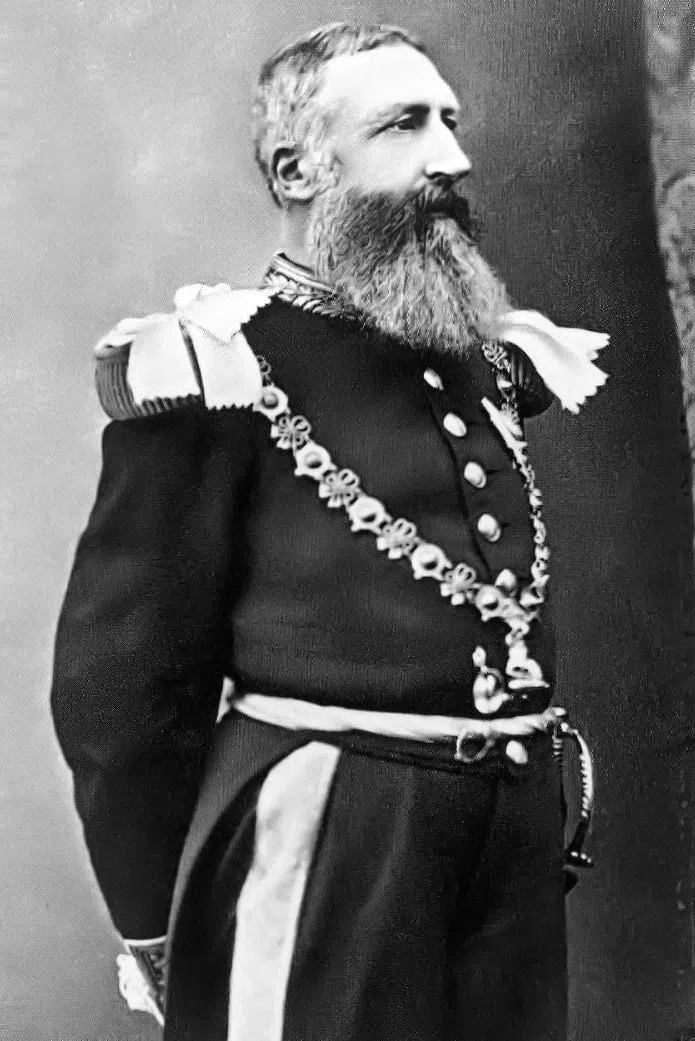
Profile
Belgium
The smallest of the empires, the highest per-capita kill rate. Leopold's private kingdom, then a state-run extractive colony.
Read the audit →
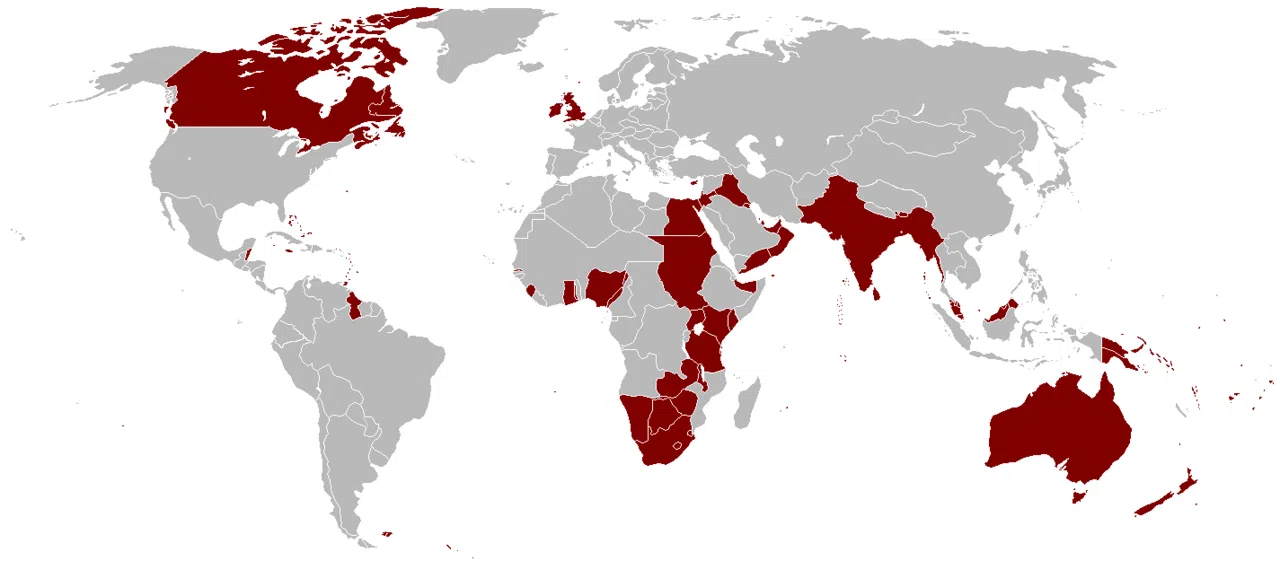
Profile
Britain
From the East India Company to the Mau Mau detention camps. The largest empire in history, audited.
Read the audit →
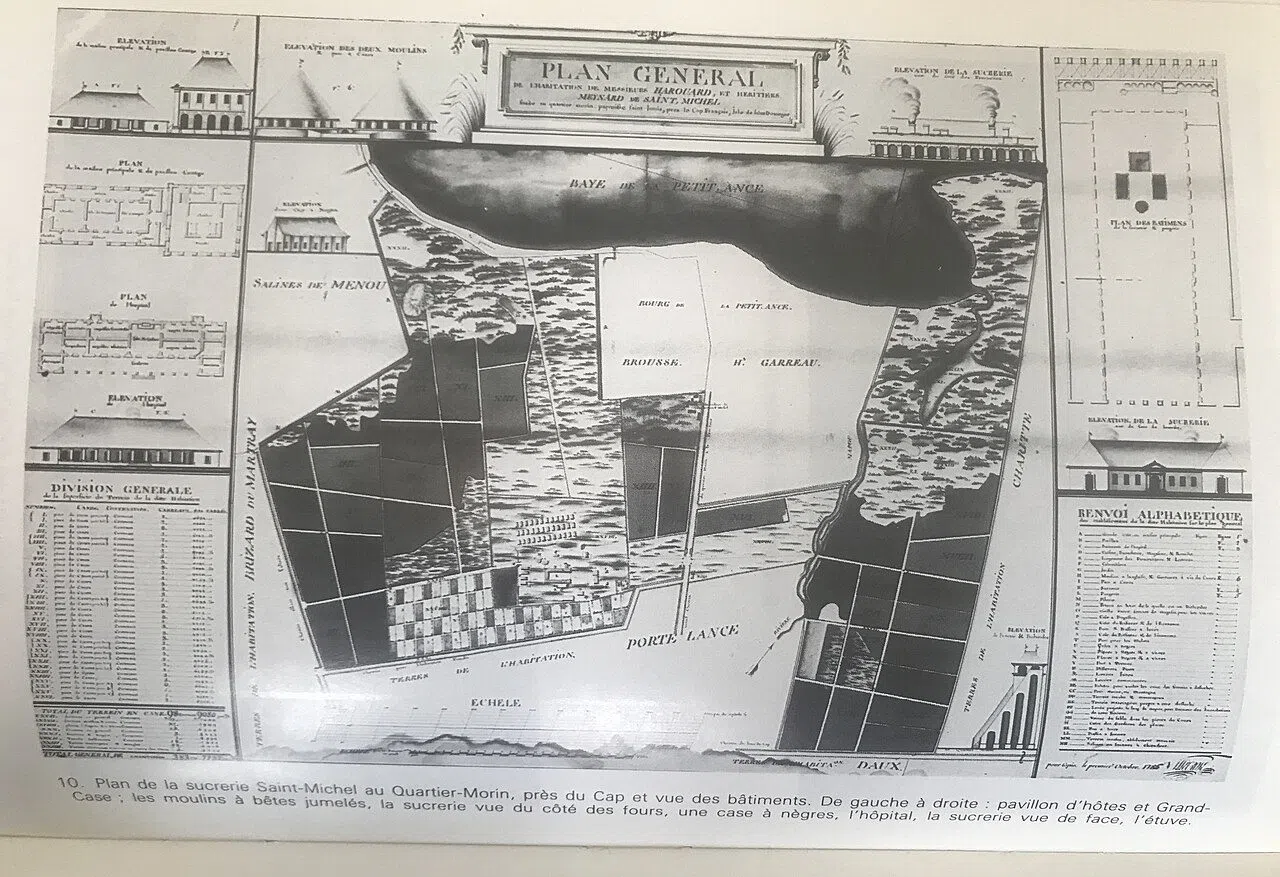
Profile
France
Saint-Domingue to Algeria to Indochina to West Africa — and the CFA franc that survives them all.
Read the audit →
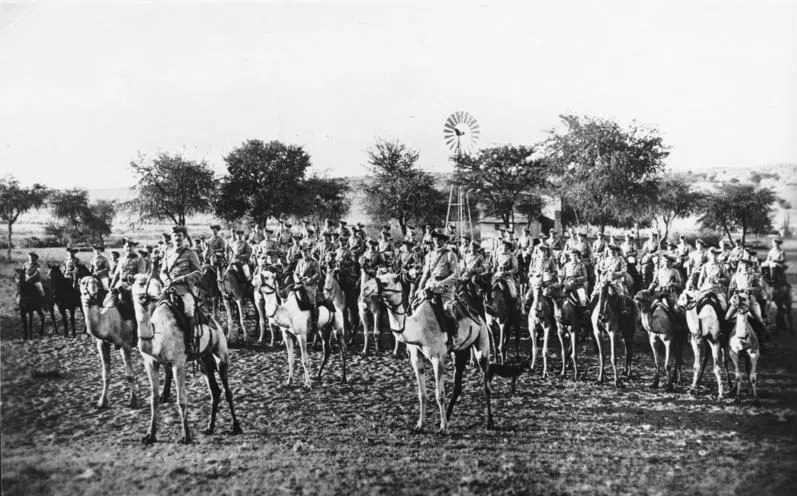
Profile
Germany
South-West Africa, East Africa, Cameroon, Togoland, the Pacific. Short, brutal, a template for what came next.
Read the audit →
Profile
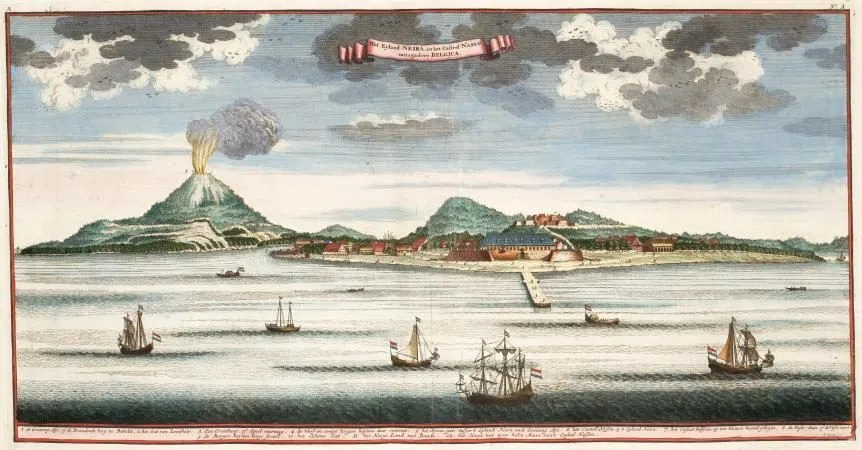
Netherlands
The VOC, the Banda massacre, three centuries in Indonesia, and apartheid's South African origins.
Read the audit →
Profile
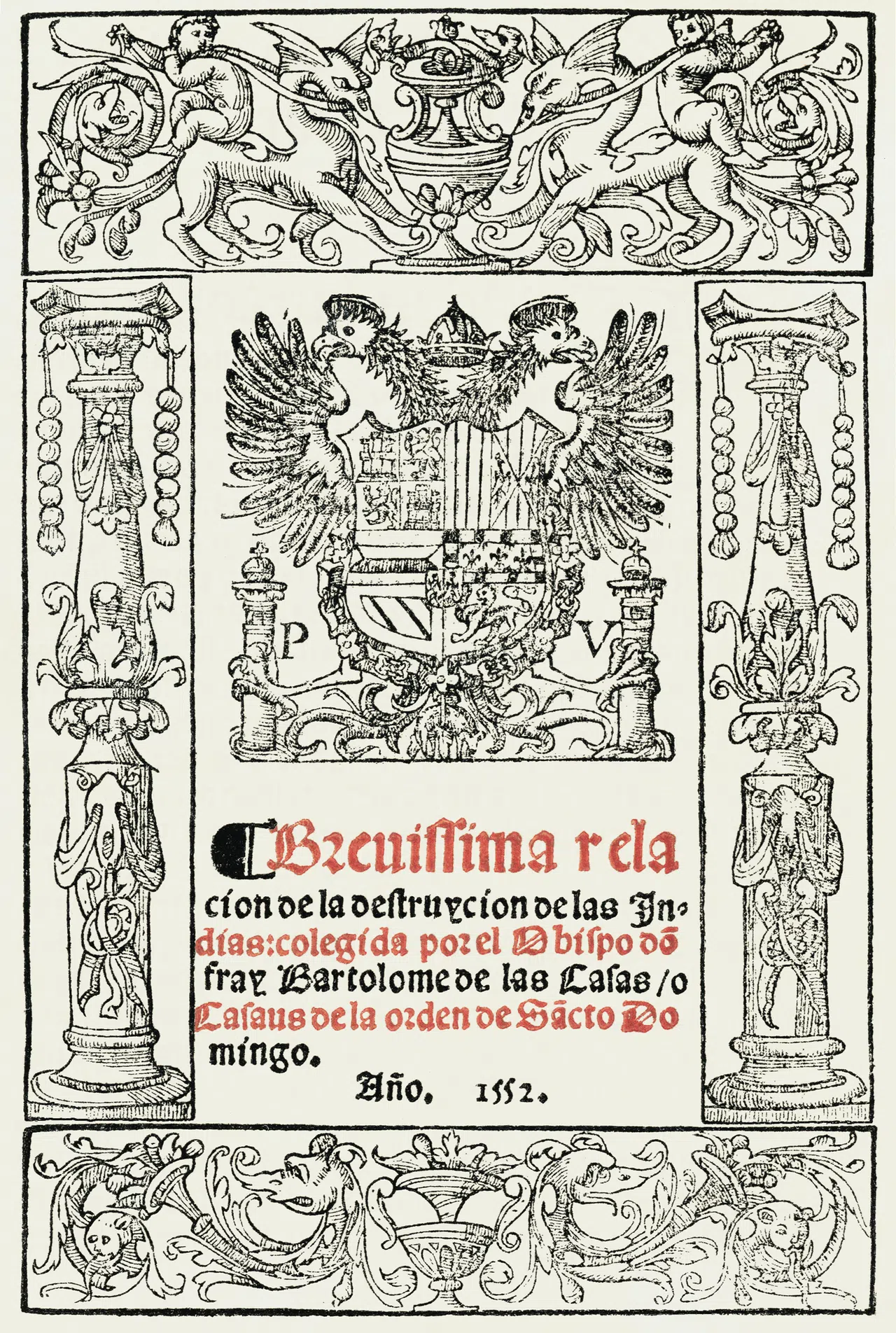
Spain
The first modern empire and the longest-lived: conquest of the Aztec and Inca states, the encomienda, and four centuries of Potosí silver.
Read the audit →
Profile
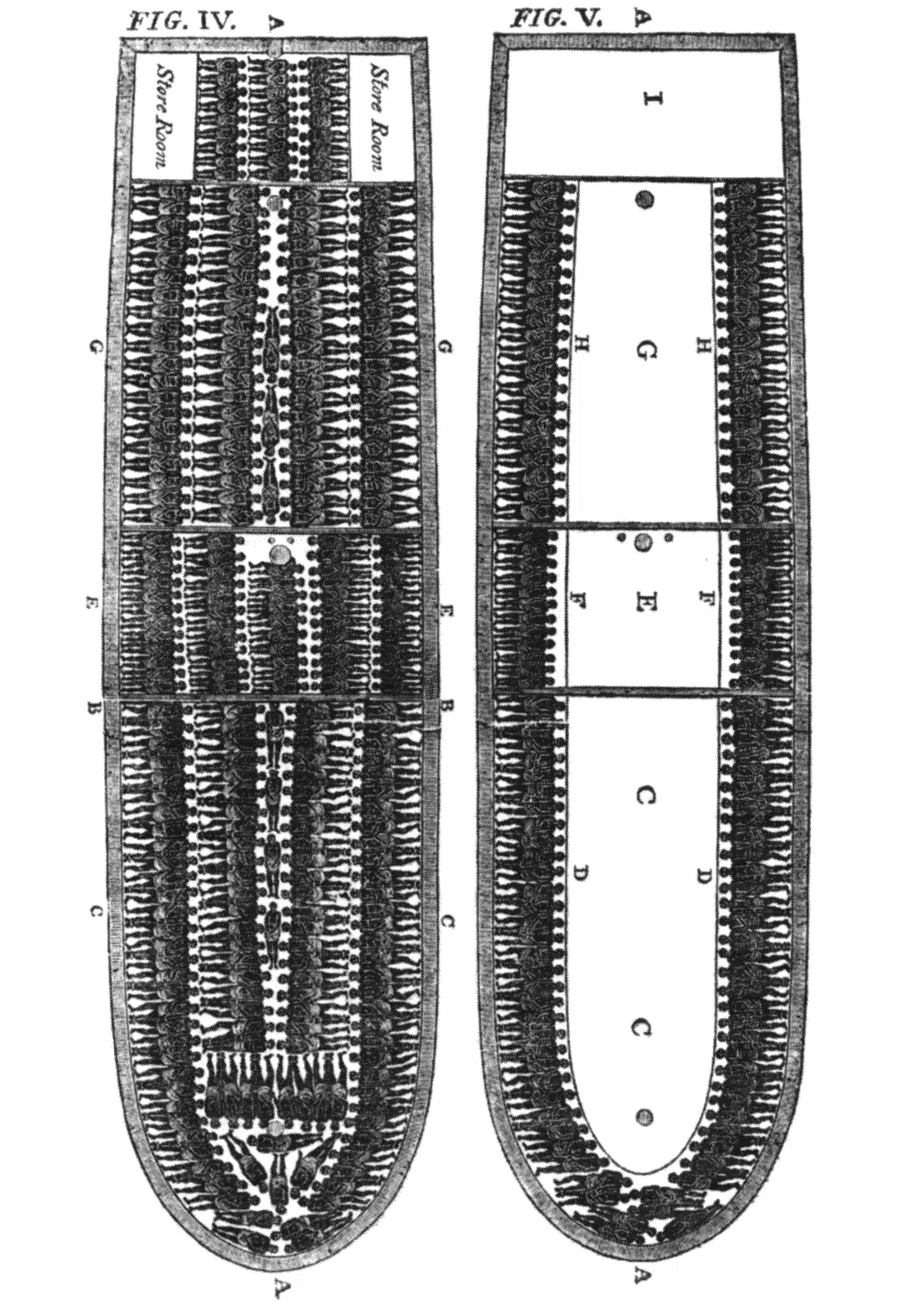
Portugal
The first empire and the last to leave: the Atlantic slave trade it opened in the 1440s, Brazil, the chibalo forced-labour system, and the wars of 1961–1974.
Read the audit →
Profile
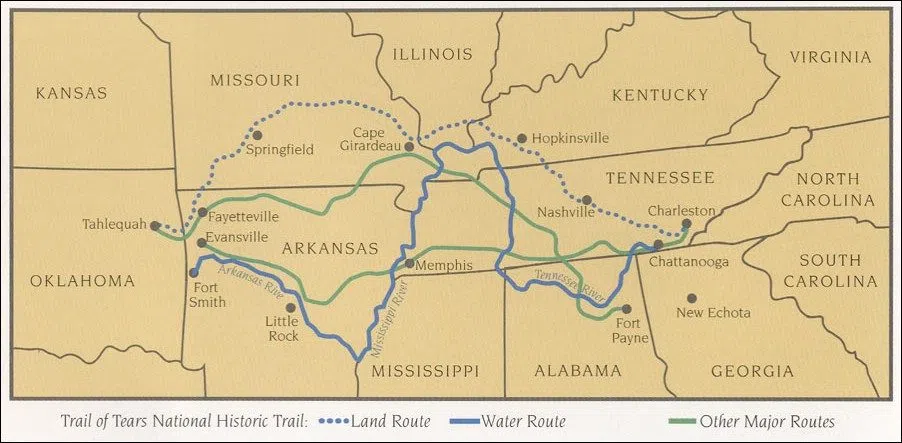
United States
Manifest destiny, the Philippines, Hawaii, Puerto Rico, 750 overseas bases. Empire by another name.
Read the audit →


Why these six
The selection is not a ranking of guilt. It is a working scope chosen on four criteria: (1) the empire's archives are open enough to allow audited claims rather than estimates; (2) its colonial period overlaps with the industrial era and global capital, so the wealth it produced still circulates; (3) it has been the subject of sustained academic historiography in the past three decades; and (4) its political successor state still exists, so the reckoning has a defendant who can answer the door.
Portugal, Italy, Denmark, Russia and Japan are not absent because their record was milder. They are deferred because each deserves the same level of citation discipline the existing six have been given, and the archive prefers slow over comprehensive. Where their actions intersect the profiled empires — the 1494 Treaty of Tordesillas, the Spanish silver mines of Potosí, the Italian use of poison gas in Ethiopia, the Danish slave trade in the Caribbean, Japan's colonial rule in Korea and Manchuria — they appear in the relevant chapter.
At a glance
| Empire | Peak extent | Lower-bound deaths | Formal end | Still holding territory? |
|---|---|---|---|---|
| Belgium | ~2.3M km² (Congo) | 5–15 million (Congo Free State) | 1960 | No |
| Britain | ~35.5M km² (1920) | tens of millions (famines, partitions, camps) | 1997 (Hong Kong) | Yes — 14 BOTs incl. Chagos, Falklands |
| France | ~13M km² (1920) | ~1m Algeria; Haiti, Indochina, West Africa | 1962 (Algeria) | Yes — DOM-TOM; CFA franc zone |
| Germany | ~2.9M km² (1914) | Herero/Nama genocide (~80,000) | 1919 (Versailles) | No |
| Netherlands | ~2M km² (Indonesia) | Banda massacre; Java; police actions | 1949 (Indonesia) | Yes — Aruba, Curaçao, Sint Maarten |
| United States | ~10M km² (contiguous) | Indigenous nations; Philippines; interventions | n/a | Yes — 5 inhabited territories; ~750 bases |
Figures are lower-bound and rounded; per-empire chapters give the contested ranges and the historians who argue them.
Empires not yet profiled
A working list of states whose colonial records are documented in the chapters above but do not yet have full audit pages of their own:
- Portugal — Brazil; Angola; Mozambique; Guinea-Bissau; East Timor; the foundations of the Atlantic slave trade.
- Italy — Libya (1911–1943); Ethiopia (1935–41); Eritrea; Somalia; the use of mustard gas against civilians.
- Denmark — the Danish West Indies; the Gold Coast slaving forts; Greenland.
- Russia / USSR — Siberia; the Caucasus; Central Asia; the Tsarist and Soviet imperial structures.
- Japan — Taiwan (1895–1945); Korea (1910–1945); Manchukuo; wartime forced labour and comfort women.
Read across the archive
- Atrocities — case studies grouped by event, not by empire.
- The ledger — a single comparative table across empires.
- Timeline — five centuries on one axis.
- Ongoing exploitation — what is still being taken in 2026.
- Reparations — what has been paid, by whom, to whom.
- Why this was different — the answer to "every civilisation had empires."
From the Archive
Wikimedia-sourced photographs and documents related to this page.


