Slavery compared with indentured labour
Compare slavery and indentured labour: legal status, coercion, duration, migration, punishment, wages, family rights, mortality and colonial profit.
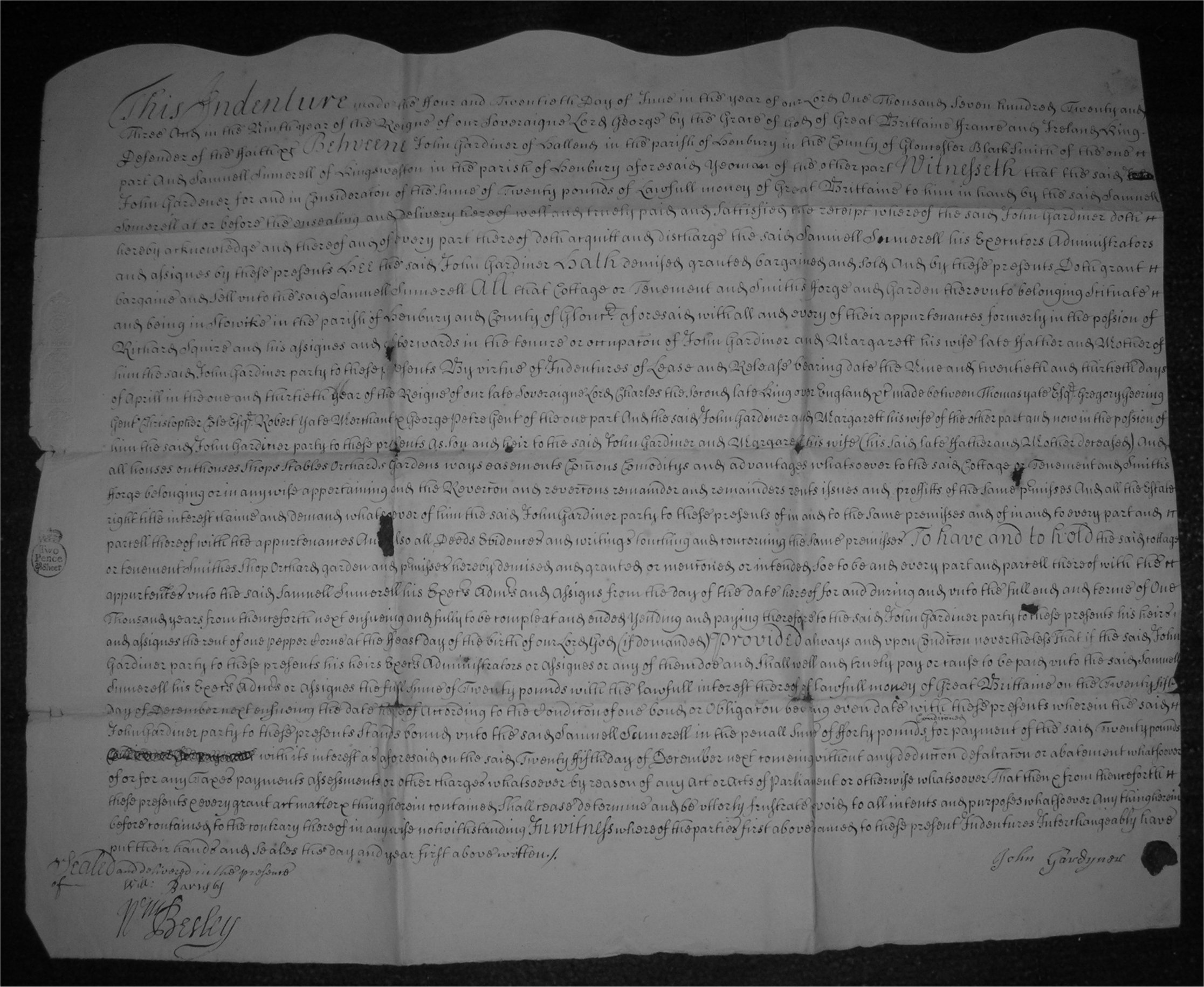
Slavery made people legally ownable or permanently subordinated, whereas indentured labour bound workers by time-limited contracts; both enabled coercive, racialised extraction through violence, restricted movement and colonial law.
The distinction mattered: indentured workers were not chattel and could eventually leave the contract. But a contract did not guarantee meaningful consent, enforceable rights or safe work. This hub compares Atlantic chattel slavery chiefly with British imperial indenture after abolition, while recognising that both systems varied across time and place. See the archive’s broader history of colonial coercion and comparative data.
Key takeaways
- Slavery made people property or imposed permanent unfreedom; indenture bound legal persons to employers for a specified contractual term.
- Both systems used migration controls, racial hierarchy, punishment and colonial courts to deliver cheap, disciplined labour to plantation owners.
- The Atlantic trade embarked about 12.5 million Africans between 1501 and 1866, according to Slave Voyages’ 2019 estimates.
- Roughly 1.3–1.5 million Indians entered overseas indenture between 1834 and 1917, according to Tinker and later scholarship.
- Comparing the systems reveals continuity after emancipation, but equating them erases slavery’s hereditary ownership and unrestricted sale of human beings.
Comparison at a glance
| Comparison | Slavery | Indentured labour |
|---|---|---|
| Legal status | A person could be property under chattel-slavery law; other slave systems imposed legally inheritable or permanent unfreedom. | A worker was formally a legal person bound by a labour contract, usually enforced through colonial ordinances. |
| Duration | Commonly lifelong; status often descended through the mother, as Virginia codified in 1662. | Usually fixed-term: British Indian indentures commonly required 5 years, followed by another 5 years of industrial residence or labour before a free return passage under many schemes. |
| Consent | Enslavement followed capture, sale, birth, judicial punishment or kidnapping; consent was irrelevant. | A signature, mark or verbal agreement was required formally, but recruiters used deception, debt and coercion; poverty constrained choice. |
| Movement | Owners controlled sale, residence and travel; fugitives faced capture and punishment. | Desertion, absence and refusal could be criminal offences; pass systems and return-pass rules limited movement during the contract. |
| Labour and pay | Labour was compelled without contractual wages, although food, clothing or small allowances might be issued. | Nominal wages were paid, but deductions, task rates, inflated shop prices and fines reduced earnings. |
| Violence | Sale, whipping, confinement, sexual violence and family separation were integral means of control. | Employers and police used prosecution, imprisonment and workplace violence; workers retained some legal standing, however weakly protected. |
| Family status | In many Atlantic colonies, children inherited enslaved status; families could be sold apart. | Children were not contractually owned, although migration, estate housing and gender imbalance disrupted families. |
| Exit and remedy | Manumission, escape or abolition offered exits, but no automatic expiry existed. | Expiry created a legal route out; courts theoretically heard complaints, though planters and officials dominated enforcement. |
| Scale | David Eltis and David Richardson’s Slave Voyages research, updated through 2019, estimates about 12.5 million Africans embarked and 10.7 million disembarked in the Atlantic trade between 1501 and 1866. | Historian Hugh Tinker estimated in 1974 that more than 1.5 million Indians entered overseas indenture between 1834 and 1917; later scholarship commonly gives roughly 1.3–1.5 million. |
| Core economic function | Converted people and their descendants into capital and compelled labour for plantation, mining, domestic and other economies. | Supplied controllable, low-cost labour after emancipation, especially for sugar plantations, while preserving formal contractual personhood. |
Slavery on its own terms
Atlantic chattel slavery fused property law, racial hierarchy and organised violence. European and American traders transported approximately 12.5 million captive Africans between 1501 and 1866, according to Slave Voyages’ 2019 estimates; about 10.7 million survived disembarkation. The difference—roughly 1.8 million—includes deaths during embarkation and the Middle Passage, not those killed during capture or marches to the coast. Britain abolished its transatlantic trade in 1807, but slavery remained legal in most British colonies until the Slavery Abolition Act took effect on 1 August 1834; more than 800,000 enslaved people were legally emancipated, according to University College London’s Legacies of British Slavery database.
“The stench of the hold while we were on the coast was so intolerably loathsome” — Olaudah Equiano, 1789, The Interesting Narrative of the Life of Olaudah Equiano.
Emancipation did not transfer plantation wealth to the formerly enslaved. Under the 1833 Act, Britain authorised £20 million for slaveholders—about 40% of annual government expenditure, as UCL researchers calculated in 2013—while emancipated adults were forced into “apprenticeship” until its early termination in 1838. Follow the documentary record through Unsilenced history.
Indentured labour on its own terms
An indenture was a written agreement between parties; historically the legal form also covered land transfers, leases and political settlements. Colonial labour indenture was its most consequential modern use. After British emancipation, planters recruited workers from India and, on a smaller scale, China and elsewhere for Mauritius, British Guiana, Trinidad, Natal, Fiji and the Caribbean.
British Indian overseas indenture began in Mauritius in 1834, was suspended by the Government of India from 1839 to 1842 after evidence of abuse, and ended in 1917. Hugh Tinker’s 1974 study counted more than 1.5 million Indian migrants; later historical summaries generally estimate 1.3–1.5 million from 1834 to 1917. Mortality could be severe: on voyages from Calcutta to the Caribbean, historian Marina Carter reported in 1995 that shipboard mortality sometimes exceeded 10% in the system’s early decades, before regulation reduced it.
Shared logic, real differences and contested language
Both systems answered labour demand on plantations by transferring coercive power to employers and colonial states. Recruitment networks moved workers across oceans; racial ideology depicted Africans and Asians as suited to exhausting tropical labour; police, magistrates and immigration agents punished resistance. The profits flowed disproportionately to plantation owners, shipping interests and imperial revenue systems. Explore the underlying datasets.
The differences remain decisive. Chattel slavery treated human beings as alienable property and commonly made status lifelong and hereditary. Indentured workers retained legal personality, received wages, could marry without being sold with a spouse, and possessed a defined expiry date. Those rights were often obstructed, but their existence shaped resistance, litigation and eventual settlement.
Indenture should be analysed as coerced contract labour—not renamed slavery, and not excused because a contract existed.
The comparison is made because planters adopted indenture as an answer to post-emancipation labour control. Tinker’s phrase “a new system of slavery” in 1974 captured deception, penal sanctions and plantation violence. Descendant communities and historians resist simple equivalence because it can minimise African enslavement or deny Indian workers’ agency. Precise comparison instead asks who controlled movement, family, punishment, wages and exit, using evidence available in the archive’s data collections.
Sources & further reading
Frequently asked questions
- Was indentured labour the same as slavery?
- No. Under Atlantic chattel slavery, people were legally owned, commonly for life, and their children could inherit enslaved status. British Indian indenture from 1834 to 1917 used fixed-term contracts, wages and nominal legal rights. Yet penal sanctions, deception, restricted movement and violence made many indentures coercive. Hugh Tinker therefore called it “a new system of slavery” in 1974, as an argument about continuity rather than legal identity.
- Why did indentured labour expand after slavery was abolished?
- Plantation owners sought a controllable workforce after emancipation. Britain abolished colonial slavery through the 1833 Slavery Abolition Act, effective from 1 August 1834, and apprenticeship ended in 1838. Recruiters then transported workers—especially Indians—to sugar colonies including Mauritius, British Guiana and Trinidad. Indenture lowered labour costs and used contract and criminal law to constrain workers who were no longer legally property.
- How many people were transported under slavery and indenture?
- Slave Voyages’ 2019 estimates indicate about 12.5 million Africans embarked in the transatlantic trade between 1501 and 1866, with approximately 10.7 million disembarking alive. For British Indian indenture from 1834 to 1917, Hugh Tinker estimated more than 1.5 million migrants in 1974; later scholarship commonly places the total at roughly 1.3–1.5 million.
- Could indentured workers leave their employers?
- Usually not freely during the contract. British Indian agreements commonly imposed 5 years of labour, while colonial ordinances criminalised desertion, absence or refusal. Many schemes required another 5 years of residence or industrial labour before entitlement to a free return passage. Workers could complain to officials or courts, unlike enslaved property, but employers, magistrates and immigration departments often made those remedies ineffective.
- Did Britain compensate enslaved people after abolition?
- No. The British government authorised £20 million under the Slavery Abolition Act 1833 for slaveholders, not the enslaved. University College London’s Legacies of British Slavery project calculated in 2013 that this equalled about 40% of annual government expenditure. More than 800,000 enslaved people were emancipated from 1 August 1834, but many were compelled into unpaid “apprenticeship” until 1838.
Related chapters
Comparisons
- American Empire vs British Empire: A Comparison
- Apartheid South Africa vs Jim Crow United States
- Belgian Empire vs German Empire: A Colonial Comparison
- Bengal Famine of 1943 vs the Great Irish Famine
- British Empire vs French Empire: A Comparative History
- Colonial Debt vs Modern Structural Adjustment
- Congo Free State vs Belgian Congo
- Dutch Empire vs Portuguese Empire: A Comparison
- Holocaust Reparations vs Reparations for Slavery
Sources & further reading
CC BY 4.0 ·