Atlantic Slave Trade: Scale, Profits and Resistance
Evidence-led history of the Atlantic slave trade: its machinery, human toll, commercial profits, African resistance, abolition and enduring legacy.
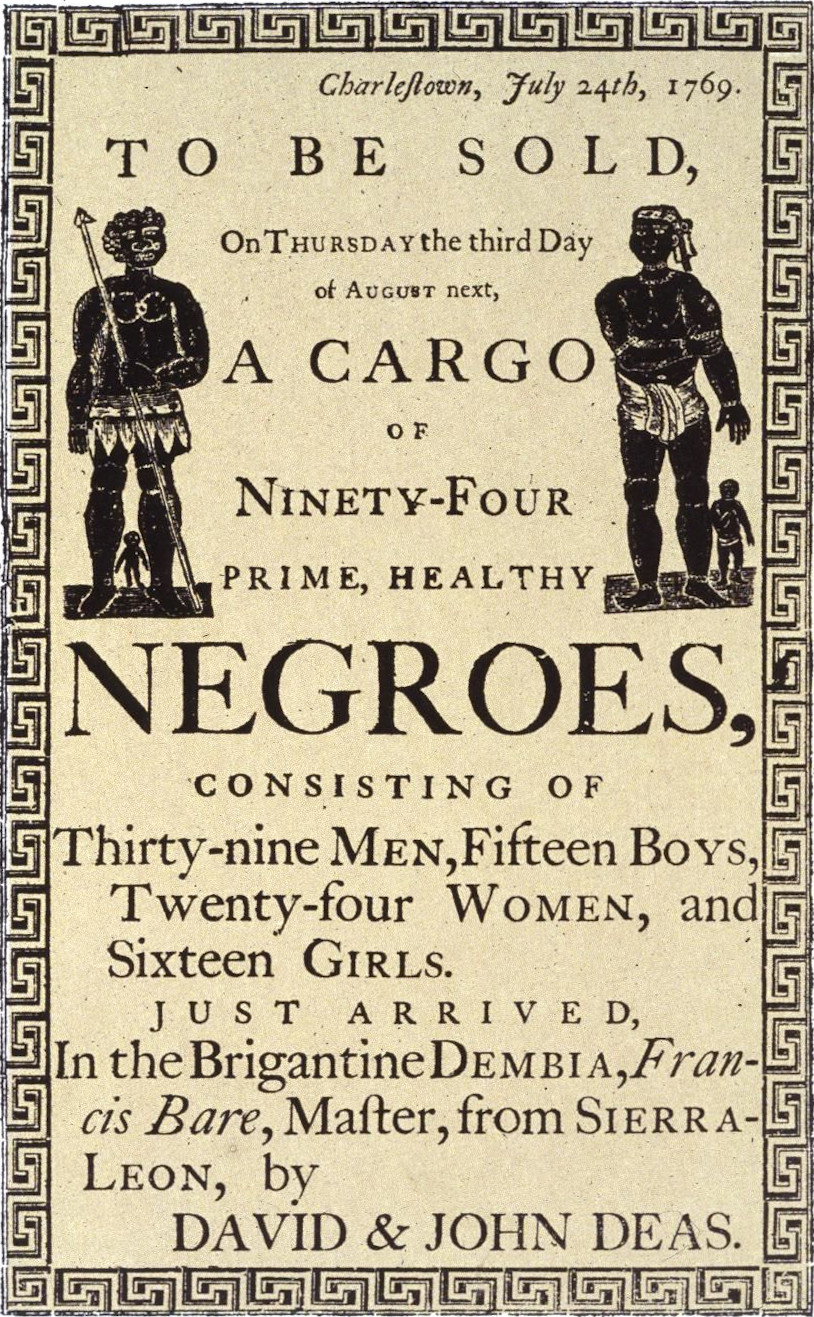
The Atlantic slave trade was a 15th- to 19th-century system of racialized human trafficking that forcibly carried more than 12.5 million captive Africans toward the Americas. The SlaveVoyages database estimated in 2019 that about 10.7 million survived the Atlantic crossing; roughly 1.8 million died at sea, while uncounted others died during capture, forced marches and coastal confinement.
European and American states, merchants, shipowners, insurers and plantation societies organized the oceanic trade. African rulers and traders also captured and sold people within violent regional markets shaped increasingly by Atlantic demand. The resulting labor regime enriched empires and produced sugar, coffee, tobacco, rice, cotton and precious metals through hereditary enslavement.
Key takeaways
- The Atlantic slave trade forcibly embarked more than 12.5 million Africans between 1501 and 1866, according to SlaveVoyages’ 2019 estimates.
- About 10.7 million captives survived disembarkation, leaving an embarkation-to-arrival gap of roughly 1.82 million people during 1501–1866.
- Brazil received about 4.86 million surviving captives, making it the largest destination in SlaveVoyages’ 2019 reconstruction of Atlantic trafficking.
- European and American governments, merchants, insurers and plantation owners controlled the transoceanic system, while African elites also supplied captives to coastal markets.
- Enslaved Africans resisted continuously, and the Haitian Revolution of 1791–1804 proved that organized revolt could destroy a slave regime.
- Formal abolition left uncompensated survivors and descendants while Britain paid slaveholders £20 million under the 1833 Slavery Abolition Act.
What happened: capture, sale and the Middle Passage
Portuguese mariners began trafficking captives from Atlantic Africa in the 1440s; the first documented direct voyage carrying enslaved Africans to the Americas reached Hispaniola in 1525. Traders obtained captives through wars, raids, judicial enslavement, kidnapping and sale. Europeans usually purchased people from African intermediaries at coastal markets, although Europeans also conducted raids and sustained demand with firearms, textiles, metals, alcohol and credit.
Captives were marched to ports and imprisoned in barracoons, forts or ships. Men, women and children were branded, stripped, chained and packed below deck for the Middle Passage. Sale in the Americas fed plantations, mines, workshops, households and ports. Enslavement became hereditary and was enforced through law, torture, sexual violence and family separation.
- Merchants financed a voyage and loaded exchange goods.
- Agents bought imprisoned Africans along the West and West-Central African coast.
- Ships crossed the Atlantic, with captives enduring disease, hunger and violence.
- Auctioneers sold survivors; ships then carried plantation commodities to consuming markets.
The numbers: embarkation, survival and destination
SlaveVoyages’ 2019 estimates reconstruct 36,000-plus voyages using port registers, customs accounts, shipping records and plantation evidence. Totals remain estimates because ships disappeared, smuggling escaped records and deaths before embarkation were rarely counted.
Key facts
- From 1501–1866, an estimated 12,521,337 captives embarked and 10,702,656 disembarked, according to SlaveVoyages’ 2019 estimates.
- The embarkation-to-disembarkation gap was about 1.82 million people, or 14.5%, during 1501–1866.
- SlaveVoyages estimated in 2019 that 5.85 million people, 46.7% of embarkations, left from West-Central Africa and St Helena during 1501–1866.
- Eltis and Richardson calculated in 2010 that British ships embarked about 3.26 million captives during 1641–1807.
- Voyages landing in Brazil received about 4.86 million survivors during 1501–1866, according to SlaveVoyages’ 2019 estimates.
| Measure | Period | Estimate | Source |
|---|---|---|---|
| Africans embarked | 1501–1866 | 12,521,337 | SlaveVoyages, 2019 |
| Africans disembarked | 1501–1866 | 10,702,656 | SlaveVoyages, 2019 |
| Difference, chiefly deaths at sea | 1501–1866 | 1,818,681 | Derived from SlaveVoyages, 2019 |
| British-carried captives embarked | 1641–1807 | about 3,259,400 | Eltis and Richardson, 2010 |
| Captives landed in British North America/US | 1501–1866 | about 388,700 | SlaveVoyages, 2019 |
These figures do not measure the trade’s full demographic toll. There is no defensible single total for deaths in African wars, raids, marches and prisons; scholars therefore reject unsupported all-in death counts. See the archive’s data methods and documented atrocities.
Who profited and how
The largest gains arose not only from selling people but from their coerced labor. Portuguese/Brazilian, British, French, Spanish, Dutch, Danish and North American networks linked crowns, chartered companies, merchants, banks, insurers, dockyards and plantation owners. African sellers received imported goods and political leverage, but European empires controlled transoceanic shipping, colonial law and commodity markets.
| Entity or economy | Dates | Concrete measure |
|---|---|---|
| Royal African Company | 1672–1731 | about 187,700 captives delivered alive to the Americas; Pettigrew, 2013 |
| Bristol | 1698–1807 | 2,108 recorded slaving voyages; Richardson, 2007 |
| Liverpool | 1695–1807 | 5,300-plus recorded slaving voyages; Trans-Atlantic Slave Trade Database, 2019 |
| British West Indies sugar imports | 1774–1775 | about 1.5 million hundredweight, roughly 76,000 metric tonnes; British parliamentary customs accounts published 1777 |
| French indemnity imposed on Haiti | 1825 | 150 million francs, reduced to 90 million in 1838; French ordinances |
| British slave-owner compensation | 1834–1840 | £20 million authorized in 1833; Legacies of British Slave-ownership |
Britain’s £20 million award went to slaveholders, not the enslaved; Bank of England research in 2017 equated it to about 40% of the government’s 1833 annual expenditure. British taxpayers serviced the associated borrowing until 2015. Financial records and ownership databases expose how wealth crossed generations after formal abolition.
Resistance, revolution and abolition
Enslaved people resisted from capture onward through escape, work slowdowns, sabotage, cultural survival, shipboard revolt and armed rebellion. SlaveVoyages researchers estimated in 2001 that captives rose in revolt on roughly 10% of documented voyages for which evidence survives; the archive cannot reveal every planned or suppressed action.
“I now wished for the last friend, death, to relieve me.” — Olaudah Equiano, 1789, The Interesting Narrative of the Life of Olaudah Equiano
The Haitian Revolution of 1791–1804 destroyed slavery in France’s richest colony and established independent Haiti on 1 January 1804. Britain prohibited its subjects’ slave trade through the Slave Trade Act on 25 March 1807; the United States’ prohibition took effect on 1 January 1808. Britain abolished colonial slavery from 1 August 1834, followed by coerced “apprenticeship” until 1838. Brazil, the trade’s largest destination, banned Atlantic trafficking through the Eusébio de Queirós Law on 4 September 1850 and abolished slavery on 13 May 1888.
Abolition resulted from Black resistance, the Haitian Revolution, African political action, abolitionist organizing and changing imperial calculations—not benevolence bestowed by slave-trading states. Explore the wider history of colonialism and resistance.
Denial, memory and what it means now
Public memory often isolates the Middle Passage from the plantation economies that made it profitable, overstates abolitionists while minimizing enslaved insurgents, or treats African sellers as proof that European empires lacked responsibility. Participation by African elites does not erase the states, companies and colonial legal systems that industrialized shipment and converted captive labor into Atlantic wealth.
The best-supported baseline is more than 12.5 million embarked and about 10.7 million landed during 1501–1866; it is not a complete count of everyone killed or enslaved.
Legacies remain visible in inherited wealth, land ownership, racialized policing, environmental inequality and disparities in health and education. Caribbean governments organized the CARICOM Reparations Commission in 2013 around demands including apology, debt cancellation, development programs and institutional repair. In 2022, Brattle Group economists estimated reparations for transatlantic chattel slavery and its afterlives at $100–$131 trillion through 2022; that contested model is not a universally accepted invoice, but it shows why symbolic regret is not material restitution. Accurate memory requires named beneficiaries, open archives, descendant-led commemoration and debate grounded in evidence rather than national self-exoneration.
Sources & further reading
- SlaveVoyages: Trans-Atlantic Slave Trade Database
- David Eltis and David Richardson, Atlas of the Transatlantic Slave Trade
- UNESCO, Routes of Enslaved Peoples
- Legacies of British Slavery, University College London
- National Museum of African American History and Culture: Transatlantic Slave Trade
- CARICOM Reparations Commission
Frequently asked questions
- How many Africans were transported in the Atlantic slave trade?
- SlaveVoyages’ 2019 estimates indicate that 12,521,337 captive Africans embarked for the Americas between 1501 and 1866, and 10,702,656 disembarked alive. The difference—about 1,818,681 people, or 14.5%—principally represents deaths during the Middle Passage. These figures exclude uncounted deaths during wars, capture, marches and coastal imprisonment, for which no reliable comprehensive total exists.
- Which country transported the most enslaved Africans?
- Portuguese and Brazilian carriers transported the largest share. SlaveVoyages’ 2019 estimates attribute about 5.85 million embarkations to ships sailing under Portuguese or Brazilian flags between 1501 and 1866. British vessels ranked next, embarking about 3.26 million captives during 1641–1807 according to David Eltis and David Richardson’s 2010 atlas. Flag, ownership and colonial destination did not always coincide.
- Where did most enslaved Africans arrive?
- Brazil was the largest destination, receiving about 4.86 million surviving captives between 1501 and 1866 in SlaveVoyages’ 2019 estimates. The British Caribbean received about 2.32 million and the French Caribbean about 1.12 million. British North America and the United States received about 388,700 directly, although forced reproduction and domestic trafficking later expanded the enslaved US population dramatically.
- When did the Atlantic slave trade end?
- It ended unevenly rather than on one date. Britain prohibited its subjects’ trade in 1807, effective 1 May 1807, while the United States’ ban took effect on 1 January 1808. Brazil’s Eusébio de Queirós Law of 4 September 1850 suppressed most Atlantic imports. SlaveVoyages uses 1866 as the endpoint because documented illegal voyages continued into the 1860s.
- Did African rulers participate in the Atlantic slave trade?
- Yes. From the 15th through 19th centuries, some African rulers, merchants and military networks captured or purchased people and sold them to European and American traders. Others resisted, restricted commerce or became its victims. Their participation does not negate European and American responsibility for financing shipping, creating colonial slave law, expanding plantation demand and transporting more than 12.5 million captives during 1501–1866.
Related chapters
Topics
- Aimé Césaire and Discourse on Colonialism
- Algerian War of Independence and French Torture
- South African Apartheid: The Legal Architecture of Racism
- Banda massacre and the Dutch nutmeg monopoly
- Belgian Congo: From Leopold’s Atrocities to Colonial Rule
- The 1943 Bengal Famine and British Policy
- Benin Bronzes: Looting, Trade and Restitution
- Berlin Conference and the Partition of Africa
- The Black War and the Genocide of Tasmanian Aboriginals
Sources & further reading
CC BY 4.0 ·