Encomienda and Spanish Colonial Labour
How Spain’s encomienda extracted Indigenous labour and tribute, enriched colonists, accelerated mass death, and evolved into later coercive labour regimes.
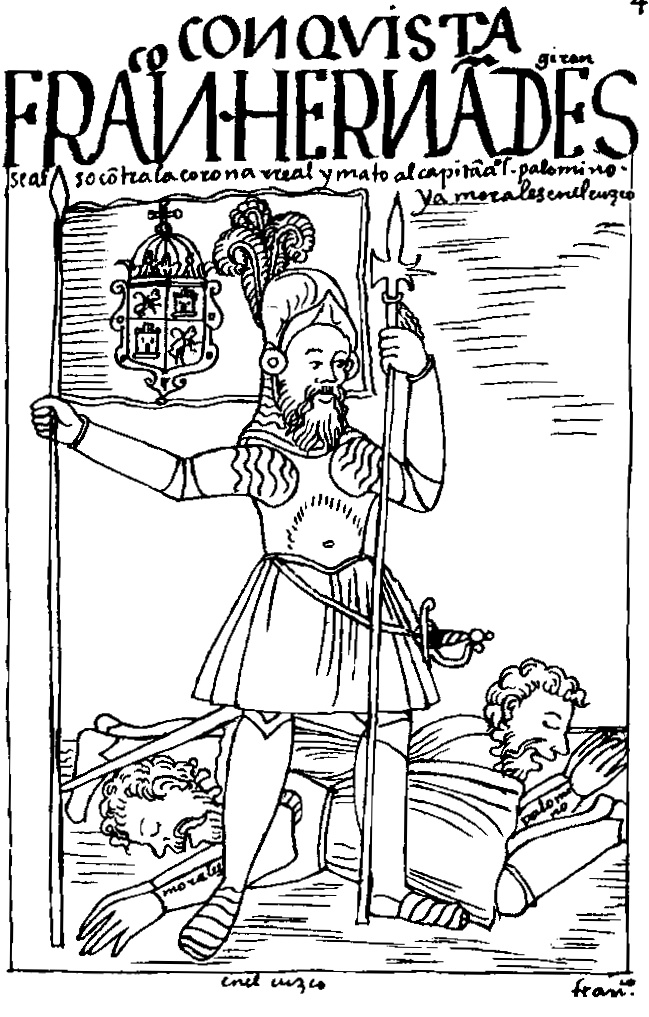
The encomienda was a Spanish colonial grant that assigned an encomendero the tribute and labour of a named Indigenous community. It did not legally transfer ownership of land or people, but in the Americas after 1492 it enabled colonists to compel mining, farming, transport and domestic work while claiming duties of protection and Christian instruction.
Encomienda operated amid conquest, enslavement, epidemic disease, hunger and displacement. It was restricted by the New Laws of 1542, not immediately abolished: colonial authorities and beneficiaries resisted enforcement, while repartimiento, mita, debt peonage and African chattel slavery continued coercive extraction. See the archive’s wider /history, documented /atrocities and quantitative /data.
Key takeaways
- Encomienda gave Spanish colonists enforceable claims to Indigenous tribute and labour while leaving formal sovereignty with the Crown.
- Epidemics caused immense mortality, but warfare, displacement, hunger and coerced labour intensified the demographic catastrophe after 1492.
- The New Laws of 1542 restricted encomienda, yet colonial resistance delayed enforcement and other compulsory labour systems replaced it.
- Potosí produced approximately 45,000 metric tonnes of registered silver between 1545 and 1800, according to historian Kris Lane.
- Indigenous people resisted through flight, litigation, negotiation and armed rebellion, including Enriquillo’s 1519–1533 war on Hispaniola.
What happened: conquest converted into labour and tribute
Spain adapted precedents from the Iberian Reconquista and imposed encomienda in the Caribbean by the early 1500s. The Crown treated Indigenous people as royal vassals and granted private beneficiaries claims to their tribute—paid in labour, produce, textiles, precious metals or money. Encomenderos were formally required to protect and Christianise those assigned to them. They commonly demanded dangerous work, punished non-compliance and disrupted subsistence economies.
Key facts
- Nicolás de Ovando governed Hispaniola from 1502 to 1509 and institutionalised compulsory Indigenous labour there.
- The Laws of Burgos of 1512–1513 regulated work and conversion rather than ending coercion.
- Hernán Cortés’s followers received encomiendas in New Spain after the conquest of Tenochtitlan in 1521.
- Francisco Pizarro and other conquerors received grants after invading the Inca Empire from 1532.
- Charles V’s New Laws of 1542 sought to prevent inheritance and curb Indigenous enslavement, provoking colonial resistance.
“Are these not men? Have they not rational souls?” — Antonio de Montesinos, Advent sermon delivered on Hispaniola, 1511, as recorded by Bartolomé de las Casas in Historia de las Indias.
The mechanism: allocation, coercion and replacement
Colonial extraction followed a recognisable sequence:
- Spanish forces conquered territory and forced communities to acknowledge the monarch and Christianity.
- Officials identified settlements and assessed expected tribute or labour.
- The Crown or its representatives granted collection rights to an encomendero.
- Indigenous leaders were compelled to assemble workers and goods under threat of punishment.
- Encomenderos supplied mines, estates, workshops and expeditions while remitting royal taxes where applicable.
- As grants declined, officials channelled labour through repartimiento in New Spain and a reorganised mita in Peru.
The regimes overlapped. In Potosí, Viceroy Francisco de Toledo reorganised the Andean mita in 1573, compelling rotating contingents from designated provinces to work in mines and refineries. Mercury amalgamation, expanded after 1572, raised silver output while exposing workers to toxic mercury, dust, cold and accidents.
| Date | Law or institution | Concrete effect |
|---|---|---|
| 1512–1513 | Laws of Burgos | Prescribed labour, food, housing and religious instruction; retained compulsory service |
| 1542 | New Laws | Ordered many grants returned to the Crown at an encomendero’s death and prohibited specified forms of enslavement |
| 1545 | Potosí silver discovery | Created an enormous labour demand in Upper Peru, present-day Bolivia |
| 1573 | Toledo’s mita ordinances | Systematised rotating draft labour for Potosí and associated production |
| 1601 | Philip III’s labour ordinance | Reasserted wage and welfare rules without removing colonial compulsion |
The numbers: demographic collapse and extracted silver
No defensible total isolates deaths caused by encomienda from epidemics, warfare, enslavement and famine. The systems interacted: forced movement and food extraction increased vulnerability, while disease reduced communities’ capacity to meet tribute demands. Historian David Cook estimated in 1998 that the Indigenous population of the Americas fell from roughly 54 million in 1492 to about 6 million by 1650; these are continental estimates, not an encomienda death count. Noble David Cook estimated Peru’s population at approximately 9 million in 1520 and 600,000 in 1620, a fall of about 93% across 100 years.
| Place and measure | Earlier figure | Later figure | Source and interpretation |
|---|---|---|---|
| Americas, Indigenous population | ~54 million, 1492 | ~6 million, 1650 | David Cook, 1998; about an 89% decline from combined causes |
| Central Mexico, population | 25.2 million, 1519 | 1.1 million, 1605 | Borah and Cook, 1963; a disputed reconstruction, about a 96% decline |
| Peru, population | ~9 million, 1520 | ~600,000, 1620 | Noble David Cook, 1981; about a 93% decline |
| Potosí registered silver | — | ~45,000 metric tonnes, 1545–1800 | Kris Lane, 2019, approximate cumulative output |
Who profited from colonial labour
Conquistadors and their descendants secured food, textiles, porters and mine workers without relying on a free labour market. Merchants, mine owners and estate holders benefited indirectly. The Catholic Church received tithes and endowments, although clergy including Montesinos and Las Casas attacked enslavement and lethal exploitation.
The monarchy profited through taxation and political control. The quinto real nominally claimed 20% of registered precious metals during much of the 1500s, although rates, exemptions, evasion and collection varied. According to Earl J. Hamilton’s customs records, Spain officially received approximately 16,900 metric tonnes of silver from the Americas between 1503 and 1660. That registered flow excludes contraband and silver retained within the Americas or traded across the Pacific.
| Beneficiary | Extracted value | Quantified indicator |
|---|---|---|
| Encomenderos | Labour and tribute | Community-specific grants, principally 1500s |
| Spanish Crown | Bullion tax and customs | Royal fifth nominally 20% during much of the 1500s |
| Imperial economy | Registered American silver arriving in Spain | ~16,900 tonnes, 1503–1660, Hamilton’s records |
| Potosí mine and refinery owners | Silver produced through wage, coerced and draft labour | ~45,000 tonnes, 1545–1800, Lane’s estimate |
Encomienda was “a grant of the right to receive tribute and labor services,” not ownership of Indigenous people or territory—historian James Lockhart, 1969, Spanish Peru, 1532–1560. The legal distinction did not prevent systematic coercion.
Resistance, reform and survival
Indigenous communities fled, concealed production, litigated, negotiated assessments, preserved communal authority and rebelled. In Hispaniola, Taíno leader Enriquillo waged resistance from 1519 to 1533 and secured a negotiated peace. In Peru, Manco Inca besieged Cuzco in 1536 before establishing resistance at Vilcabamba. Such action constrained colonial rule but did not end extraction.
Las Casas entered the Dominican order in 1523 and pressed Charles V for reform. The New Laws of 1542 threatened entrenched wealth; encomenderos in Peru rebelled under Gonzalo Pizarro from 1544 to 1548. The Crown retreated from strict implementation of inheritance provisions in 1545. Encomienda then declined unevenly rather than disappearing on one date. Repartimiento, the Andean mita, coerced wage labour, debt bondage and slavery of Africans carried colonial labour demands forward.
Denial, memory and what encomienda means now
Older imperial narratives presented encomienda as guardianship and conversion, treating abuses as departures from benevolent law. That defence mistakes regulation for reality. Repeated ordinances demonstrate that officials knew coercion was endemic; colonial records document flight, punishment, unpaid service and demographic ruin.
Encomienda also cannot bear every death attributed to colonisation. Smallpox, measles and other diseases killed on a vast scale, often without deliberate transmission. Yet disease does not absolve institutions that concentrated people, requisitioned food, imposed exhausting journeys and demanded tribute from shrinking populations.
Today, encomienda matters as an early architecture of colonial extraction: sovereignty converted into private claims on racialised labour. Its successors helped concentrate land and political power, while Indigenous communities continue pursuing territorial, cultural and legal redress. Accurate memory requires holding together epidemic catastrophe, organised violence and profit—not using any one cause to erase the others.
Sources & further reading
- Encyclopaedia Britannica: Encomienda
- Library of Congress: Spanish Colonial Law and the New Laws
- Cambridge University Press: The Cambridge History of the Native Peoples of the Americas
- Duke University Press: Potosí—The Silver City That Changed the World
- Yale University Press: Born to Die by Noble David Cook
Frequently asked questions
- Was encomienda the same as slavery?
- No in formal Spanish law, but often close in lived reality. Encomenderos did not legally own assigned Indigenous people; they held rights to tribute and labour. Nevertheless, from the early 1500s workers faced compulsion, violence, removal and lethal conditions. The New Laws of 1542 prohibited specified Indigenous enslavement and restricted grants, yet repartimiento, mita and African chattel slavery continued.
- When did the encomienda system begin and end?
- Spain applied Iberian precedents in the Caribbean during the early 1500s, with Nicolás de Ovando institutionalising compulsory labour on Hispaniola after 1502. Charles V’s New Laws of 1542 aimed to return many grants to the Crown after holders died. Resistance forced retreat in 1545, so encomienda declined unevenly across regions and survived in some frontier areas into the 1700s.
- How many Indigenous people died under encomienda?
- No reliable figure isolates encomienda deaths from disease, war, famine and enslavement. David Cook estimated in 1998 that the Indigenous population of the Americas declined from roughly 54 million in 1492 to about 6 million by 1650—an 89% fall from combined causes. Forced labour and tribute worsened exposure, hunger and displacement but were not the sole cause.
- What replaced encomienda in Spanish America?
- Repartimiento increasingly replaced private encomienda labour claims after the New Laws of 1542, assigning rotating drafts through colonial officials. In Peru, Viceroy Francisco de Toledo reorganised the mita in 1573 to supply Potosí and other mines. Coerced wage labour, debt peonage, hacienda dependency and African chattel slavery also expanded, so legal reform did not create a free labour system.
- Who benefited most from the encomienda system?
- Conquistadors and their heirs gained labour, food, textiles and tribute; mine owners, merchants and estate holders profited through connected markets. The Spanish Crown collected taxes, including a nominal 20% royal fifth during much of the 1500s. Earl J. Hamilton’s records show about 16,900 metric tonnes of registered American silver reached Spain from 1503 to 1660.
Related chapters
Topics
- Aimé Césaire and Discourse on Colonialism
- Algerian War of Independence and French Torture
- South African Apartheid: The Legal Architecture of Racism
- Atlantic Slave Trade: Scale, Profits and Resistance
- Banda massacre and the Dutch nutmeg monopoly
- Belgian Congo: From Leopold’s Atrocities to Colonial Rule
- The 1943 Bengal Famine and British Policy
- Benin Bronzes: Looting, Trade and Restitution
- Berlin Conference and the Partition of Africa
Sources & further reading
CC BY 4.0 ·